

Fashion Design is the art of creating clothing, accessories, and wearable expressions that blend creativity, functionality, and cultural identity. It is one of the most dynamic fields in the design industry and continues to grow as trends, technologies, and consumer needs evolve. For many students, Fashion Design is not only a career choice but also a creative journey that allows them to express ideas through fabrics, colors, patterns, and silhouettes.
Understanding Fashion Design
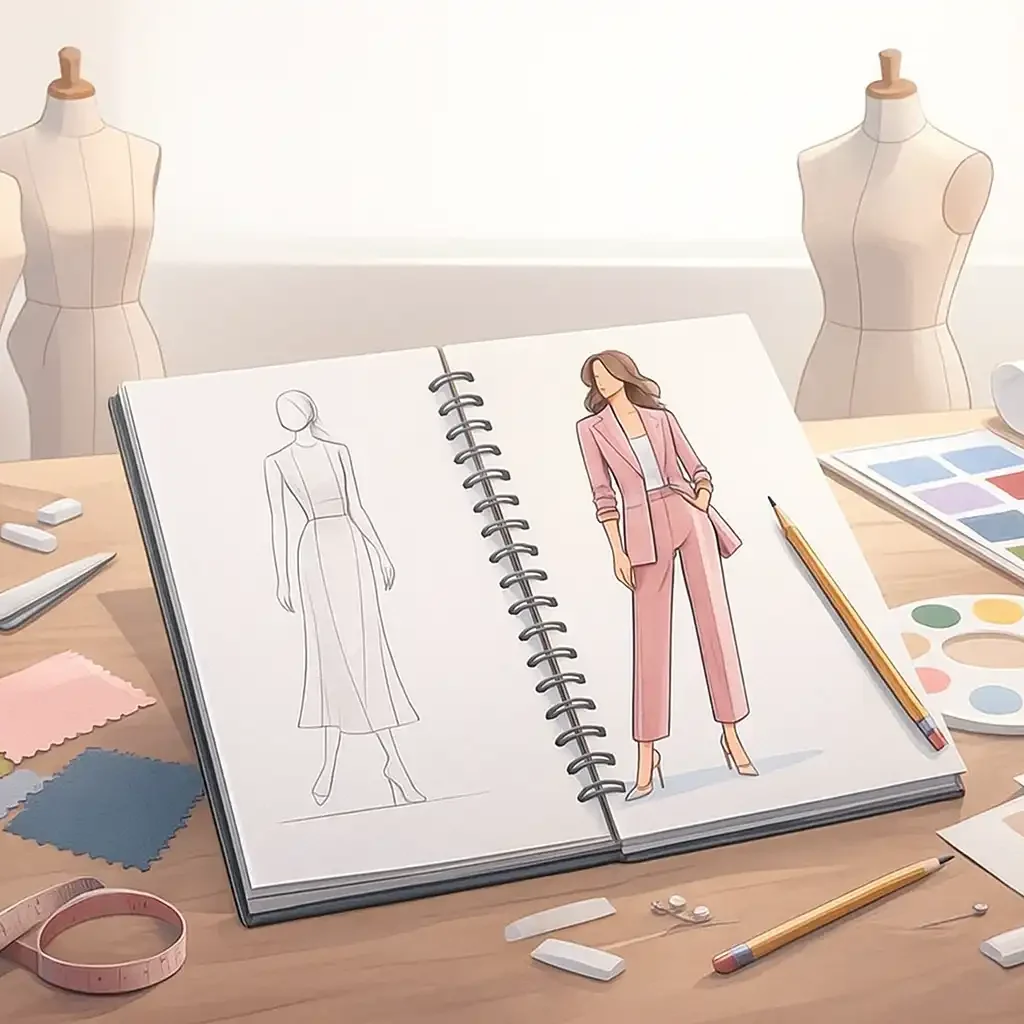
Fashion Design involves the entire process of conceptualising and producing garments. This begins with research and trend analysis, followed by sketching ideas, selecting fabrics, pattern-making, draping, stitching, and finally creating a finished outfit. Designers must balance aesthetics with practicality—ensuring the garment looks appealing while being comfortable and wearable.
Key Skills Needed in Fashion Design
A beginner entering the world of fashion should focus on developing the following skills:
- Creativity & Imagination – The foundation of all design work.
- Sketching & Illustration – To communicate ideas visually.
- Fabric Knowledge – Understanding texture, fall, durability, and usage.
- Pattern Making & Garment Construction – Turning designs into real outfits.
- Trend Awareness – Keeping up with global and local fashion movements.
- Digital Design Tools – Software for illustration, pattern development, and textile design.
Why Fashion Design Matters Today
Fashion is more than clothing—it reflects culture, identity, sustainability, and technology. Today’s fashion industry is influenced by eco-friendly materials, digital fashion, global collaborations, and a growing demand for customised designs. This makes the field exciting and full of opportunities for upcoming designers.
Career Opportunities in Fashion Design
Students who complete a Fashion Design course can explore several paths:
- Fashion Designer
- Apparel Production Specialist
- Textile Designer
- Fashion Illustrator
- Boutique Owner or Entrepreneur
- Fashion Stylist
- Costume Designer for Film & Theatre
- Fashion Merchandiser
With the rise of e-commerce and social media, independent designers also have the chance to build their own brands and reach a global audience.
Why Beginners Should Consider a Formal Fashion Design Course
A structured Fashion Design course provides essential training in both traditional and modern methods. Students learn sketching, pattern-making, digital tools, merchandising, and also gain exposure to industry practices. At IFA Kolkata, students work in digital design labs, participate in hands-on projects, and benefit from industry interactions—helping them build strong portfolios and preparing them for professional careers.
Conclusion
Fashion Design is an ideal choice for creative individuals who want to transform ideas into wearable art. It offers a mix of imagination, technique, and industry knowledge. With the right training and exposure, students can build meaningful careers and contribute to one of the most influential global industries.
Fashion Design is not just about making clothes—it’s about shaping the future of style, culture, and innovation.
